The Costs of Buying a Home Buyers Often Forget to Budget For

You’ve saved your down payment. You’ve been pre-approved for a mortgage. You know roughly what your monthly payment will be.
You’re ready to buy… right?
Almost.
One of the biggest surprises for first-time homebuyers is realizing that the purchase price is only one part of the true cost of buying a home.
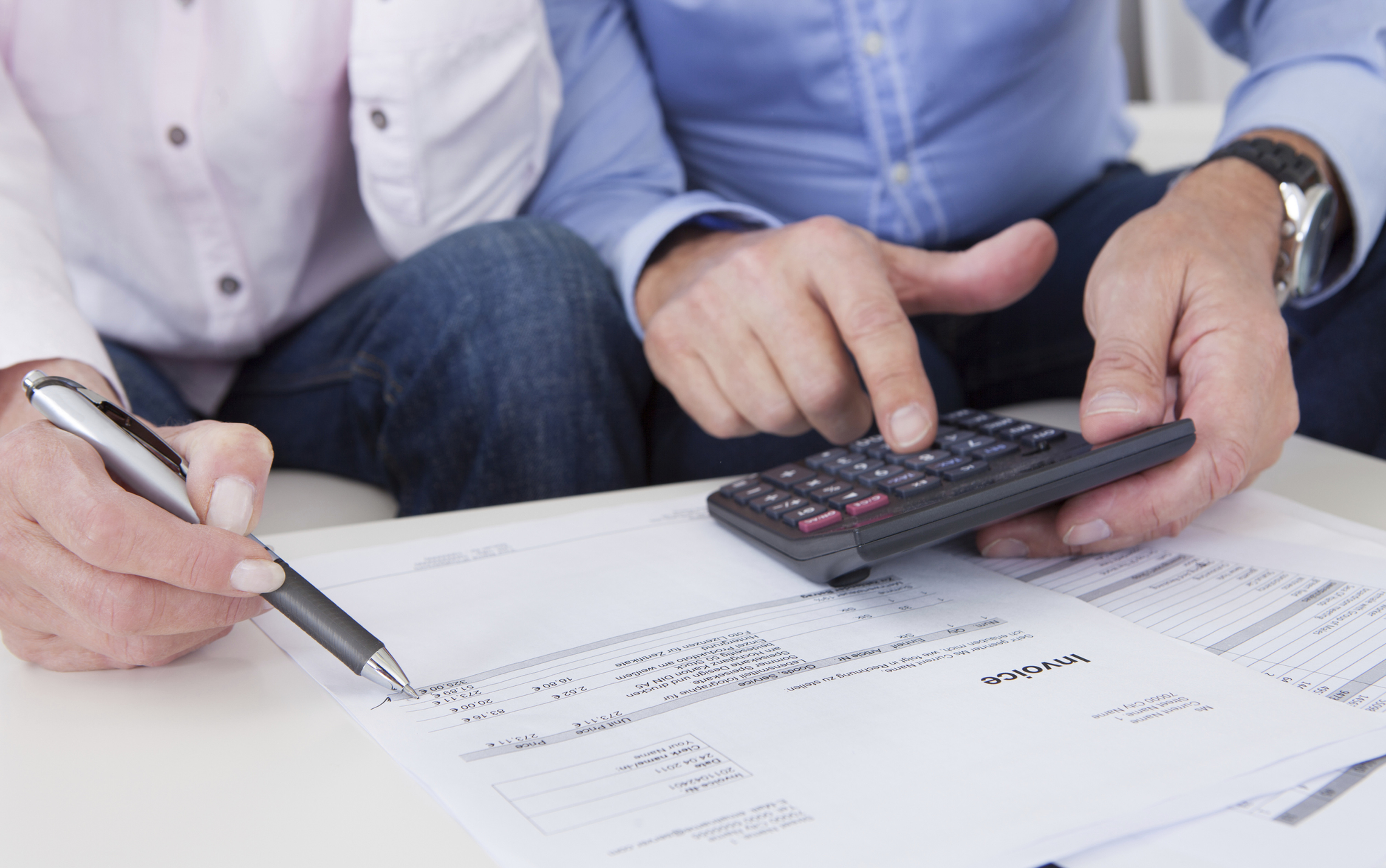
From closing costs and taxes to insurance, moving expenses and the inevitable first repair, there are several expenses buyers should be prepared for before they start shopping.
1. Closing Costs Add Up Quickly
Your down payment isn’t the only cash you’ll need on closing day. Depending on the property and your circumstances, you may also need to budget for:
Land Transfer Tax (LTT)
Lawyer and legal fees
Title insurance
Home inspection
Adjustments for property taxes or utilities already paid by the seller
Moving expenses
In Ontario, Land Transfer Tax is calculated using graduated rates based on the purchase price of the property. Eligible first-time homebuyers can receive an Ontario Land Transfer Tax refund of up to $4,000.
And if you're purchasing in Toronto? Keep in mind that the City of Toronto also has its own Municipal Land Transfer Tax (In simple terms, your paying Transfer Tax twice).
The lesson: Don't put every available dollar toward your down payment. Leave yourself a closing-cost cushion.
2. Putting Less Than 20% Down Comes With Another Cost
A smaller down payment can make homeownership more accessible, but it's important to understand what comes with it.
In Canada, buyers who put less than 20% down will generally require mortgage default insurance.
The premium is based on the size of your mortgage and down payment and can usually be added to the mortgage itself. However, Ontario also charges provincial sales tax on the mortgage insurance premium and that tax cannot be rolled into the mortgage.
It's a detail that can easily be missed when calculating how much cash you'll need.
3. The Mortgage Isn't Your Only Monthly Expense
This is where I think buyers need to look beyond simply asking:
"Can I afford the mortgage?"
Instead, ask:
"Can I comfortably afford to own this home?"
Depending on the property, your monthly budget could also include:
Property taxes
Home insurance
Electricity, gas and water
Internet
Condo or maintenance fees
Lawn and garden maintenance
Snow removal
Regular repairs and upkeep

Moving from a condo or rental into a detached home can make some of these expenses particularly noticeable.
4. Your First Year Will Probably Cost More Than You Think
Then there are the purchases nobody gets particularly excited about budgeting for... A lawn mower. A ladder. Window coverings. A snow blower. Patio furniture. A new lock. Maybe a washer and dryer.
Individually, these purchases may not seem significant. Together, they can add thousands of dollars during that first year.
Before moving in, separate your list into needs now, needs soon, and would be nice. Your home doesn't need to be completely finished the month you move in.
5. Something Will Eventually Need Repairing
One of the biggest differences between renting and owning is that when something breaks, you're the landlord now.
The furnace, roof, appliances, plumbing, air conditioner, windows and exterior all have lifespans.
A good home inspection can help you understand the condition of a property before purchasing, but it can't guarantee that nothing unexpected will happen after closing. That's why I always think buyers should avoid leaving themselves completely cash-poor after purchasing.
A home should add to your life, not leave you stressed every time something needs attention.
6. Don't Forget About Making the Home Yours
This one is easy to underestimate.
Most of us walk into a new home and immediately start imagining what we would change... Paint. Lighting. Furniture. Flooring. A new backsplash. Maybe eventually, a kitchen or bathroom renovation.
This is where my real estate and design worlds overlap.
Before buying, it's helpful to separate cosmetic changes from necessary repairs. Paint and furniture can wait. A failing roof or outdated electrical system may not.
Understanding that difference can help you decide whether a property truly fits your budget; not just on closing day, but afterwards too.

Before You Buy, Think Beyond the Purchase Price
Buying a home is exciting, and I don't think understanding these costs should take away from that! It should make you a more prepared buyer.
Before starting your search, build a realistic budget that considers:
Purchase price + closing costs + monthly ownership expenses + emergency savings + future improvements.
Because qualifying for a mortgage and feeling financially comfortable in your home aren't necessarily the same thing. And the goal shouldn't simply be to buy a home.
It should be to buy one you can comfortably enjoy living in.
Thinking about buying in Aurora or the GTA? I can help you look beyond the listing price, from understanding the property itself to seeing its design potential and determining whether it truly fits the way you want to live.


